Requests and approvals
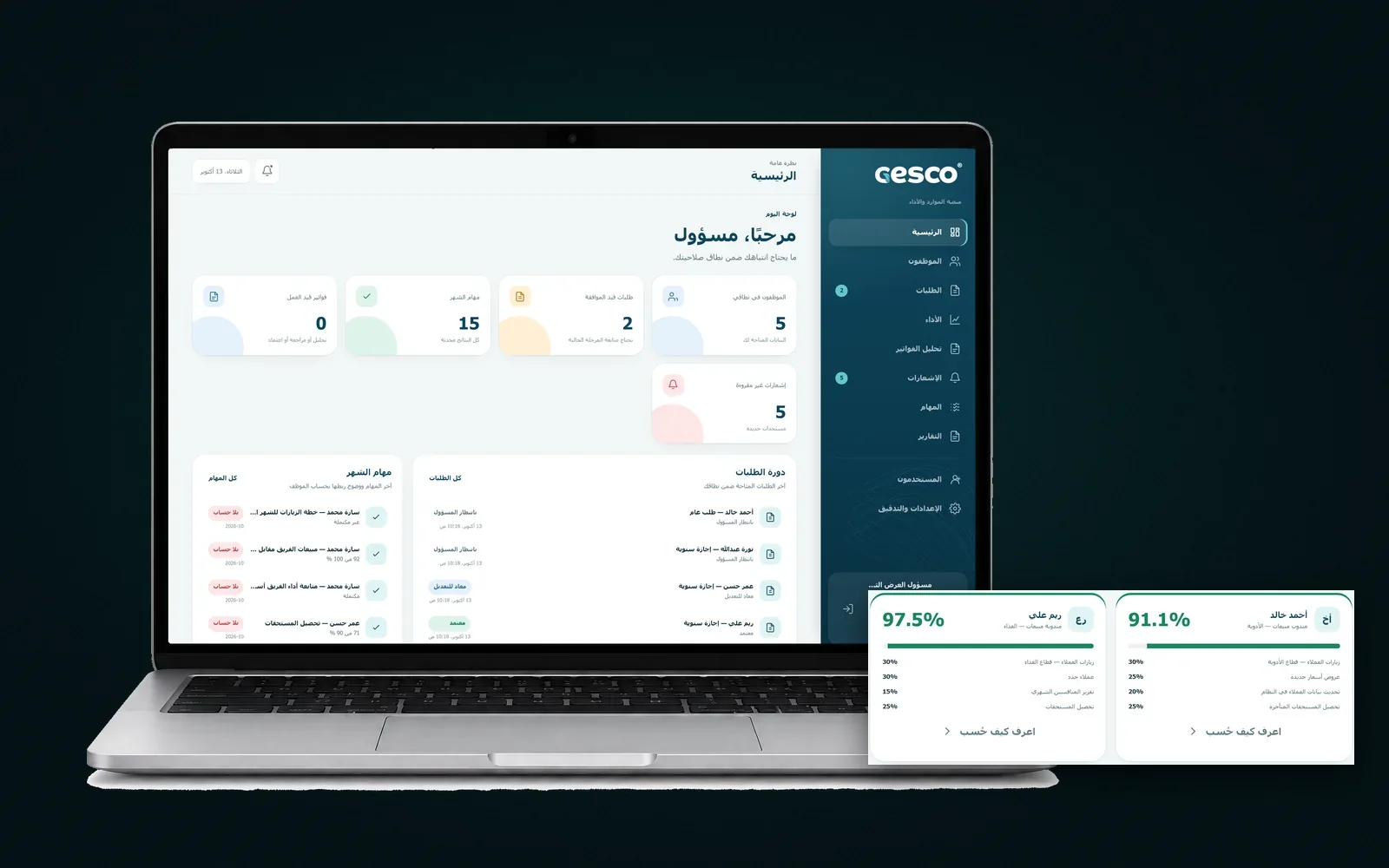
One path for every request, from submission to approval.

We turn procedures that run through messages and spreadsheets into one clear path, where everyone knows their part and management sees the full picture.
Business automation moves repetitive tasks from manual work to a system that handles them: submitting requests, assigning tasks, collecting data and producing reports. AI adds the ability to read and summarise text and invoices, so a business saves its team's time and reduces errors from manual transfer.
One path for every request, from submission to approval.
Weighted task assignment and dashboards showing results as they happen.
Data gathered from its sources instead of prepared by hand each month.
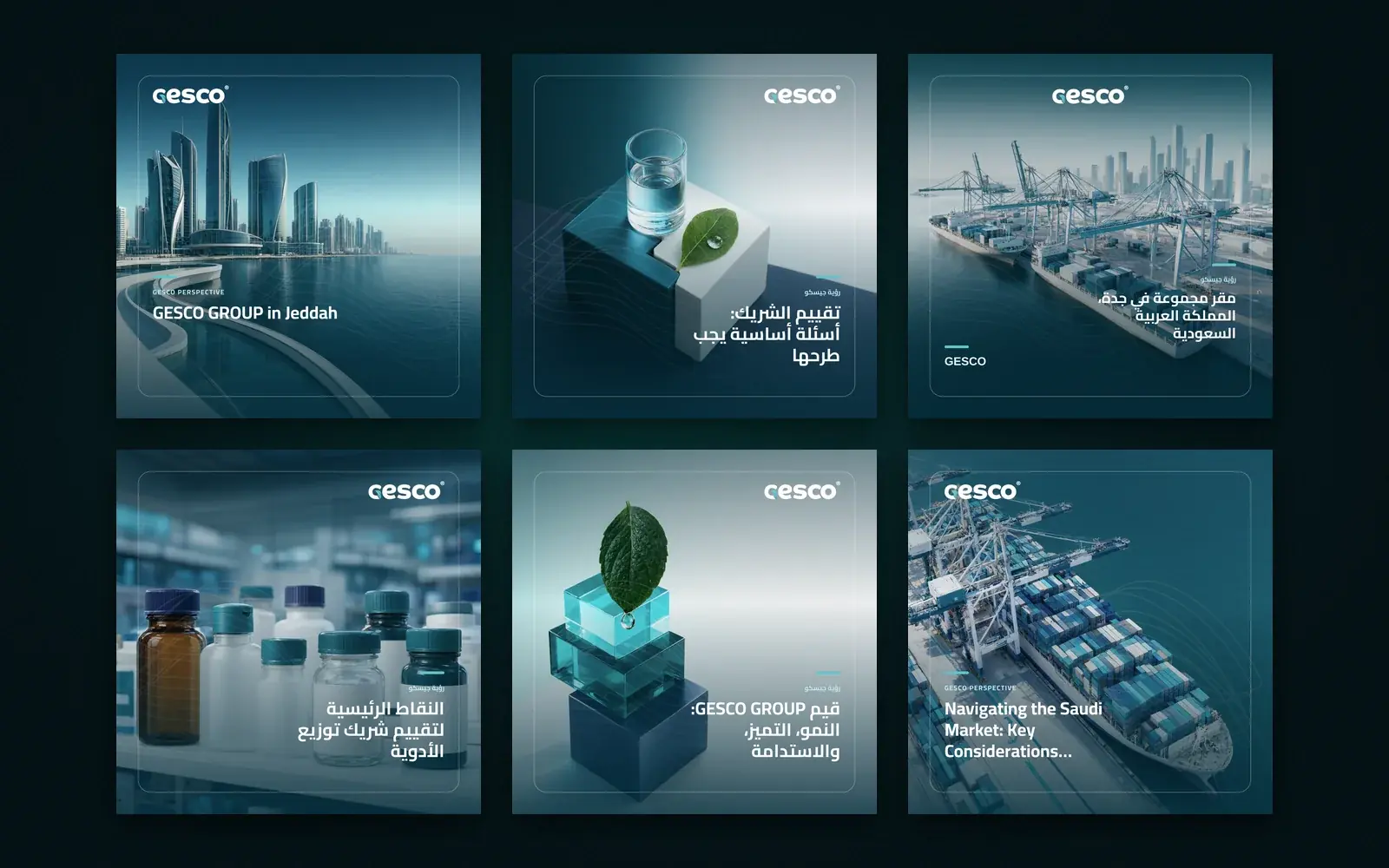
Queues that prepare content and wait for the responsible person's approval.
We map the current path, who takes part and where it stalls.
We define what each role sees and approves.
We start with one path and develop it from real use.
The most frequent one with the clearest steps, such as staff requests or report collection.
The goal is to free the team for work that needs its expertise. Approvals and decisions stay with the responsible people.
Not always. Connecting your current tools may be enough, which we determine after reviewing how you work.
Tell us your goal. The team usually replies within one business day.